
Austin Zoning Change and Neighborhood Plan Amendment Consultants
Serving Property Owners and Developers | Rezonings, Density Bonuses, and NPAs
The Process Has Not Changed. Everything Around It Has.
You have property and a plan for it. Are you thinking about building a multifamily structure on a tract that is zoned for single family? Maybe you want to add density to a site along a transit corridor? Or perhaps you just bought a commercial lot and have a specific business use in mind.
But then you discover that the current zoning doesn’t allow it. You need a rezoning.
The rezoning process in Austin can seem daunting, because it is. You file an application, engage the neighborhood, secure a staff recommendation, go through a public hearing and vote at a commission, and then a final public hearing and vote at City Council.
But while the process has stayed the same for decades, everything around it has shifted:
New density bonus programs have changed what is possible on a given property.
State legislation like SB840 has introduced new entitlement pathways.
The HOME Phase 1 and Phase 2 initiatives have allowed more density without a rezoning.
Council districts carry significant weight, and a district representative’s support is a significant component to success.
If you are navigating a zoning case in Austin today, you need someone who understands not just the process, but the landscape it operates in. Thrower Design has been navigating Austin’s zoning process for more than 35 years. We know the code, the commissions, and the elected officials and City Hall staff.
We can help. Contact us before you file.
What a Zoning Change Is
Every property within a municipality has a zoning designation that determines how it can be used and to what intensity. A zoning change, or rezoning, is a formal amendment to that designation through the governing municipality. When a property is rezoned, the full menu of permitted uses and development standards shifts, sometimes slightly, sometimes significantly.
A rezoning is a legislative action. It requires a written application, review by city staff, public notification, and engagement with surrounding property owners and neighborhood organizations. From there, the case goes to a public hearing before a Land Use Commission, followed by a second public hearing and vote at City Council for final approval.
A rezoning is different from a variance, which is a specific exception to a single development standard (like a setback or height limit) within the existing zoning. It is also different from a Conditional Use Permit, which keeps the existing zoning in place and grants approval for one specific use under conditions. A rezoning is the broadest of the three: it changes the big picture for how a property can be used.
Thrower Design handles all three. Our role in a zoning case is to prepare the application, coordinate with staff, and represent your needs and desires at every meeting with staff, neighbors, and every public hearing up to gaining approval. But the most valuable thing we do happens before the application is filed: we assess the political and procedural landscape to determine whether the case has a realistic chance of success.
Why Strategy Matters More Than Process
A zoning case in Austin is procedural and political. Both words matter.
The procedural part is well defined.
The political part is where cases succeed or fail:
Who is the council member for the district, and what are their goals?
How do local election cycles interact with the timing of the rezoning process?
What is the neighborhood organization's history with development cases?
Is there a Neighborhood Planning Contact Team that operates in good faith?
What is the relationship between the neighborhood association and the Neighborhood Planning Contact Team?
Thrower Design engages the groups, stakeholders, and individuals involved at various levels to minimize risk to the greatest extent possible.
This is the kind of intelligence you cannot get from reading the land development code. You get it from relationships, experience, and knowing which way the wind is blowing at any given moment.
Neighborhood Plan Amendments in Austin: The Layer That Trips People Up
Much of Austin's central land area is governed by geographically distinct neighborhood plans adopted by City Council over the last few decades. These plans include a Future Land Use Map (FLUM) that communicates the neighborhood's desires for what uses should go where. When a zoning change proposes a use that conflicts with the Future Land Use Map, the map must be amended before the rezoning can be approved.
That means a doubling of applications and process, but usually on parallel tracks running concurrently.
Many property owners are unaware of Land Use Plans, Future Land Use Maps, and the level of complication they add to a project. Thrower Design identifies these issues early and manages the Future Land Use Map amendment alongside the rezoning so the timelines stay aligned and the two applications support each other.
It is also important to understand that Neighborhood Planning Areas (NPAs) are not the same as neighborhood associations. The city established formal Neighborhood Planning Contact Teams (NPCTs) as part of each Neighborhood Plan. These teams have bylaws and a defined role in the planning process for any amendment to the FLUM or guiding plan document. Conversely, neighborhood associations are self-organized groups that may or may not overlap with the NPCT. Some work together. Some do not.
Knowing who is who and what is what is half the battle. We can help.
Density Bonus Programs
One zoning-related matter getting a lot of attention in Austin recently is density bonuses. There are various density bonus programs allowing developers to build beyond basic zoning entitlements in exchange for providing a public benefit, most notably affordable housing.
Current programs include DB90 (Density Bonus 90), the Downtown Density Bonus, the ETOD (Equitable Transit-Oriented Development) density bonus, and others. These programs are evolving as a result of changes to state law such as Senate Bill 840 from the 89th Texas Legislative Session, among other factors.
The questions we get asked most often:
Can I use a density bonus on my property with the zoning I have?
Do I need a rezoning to access a density bonus?
Is my property in the right location to qualify?
We answer these as part of our zoning and feasibility analysis, and we track the programs as they change so clients do not have to.
NOTABLE PROJECTS & ACCOMPLISHMENTS
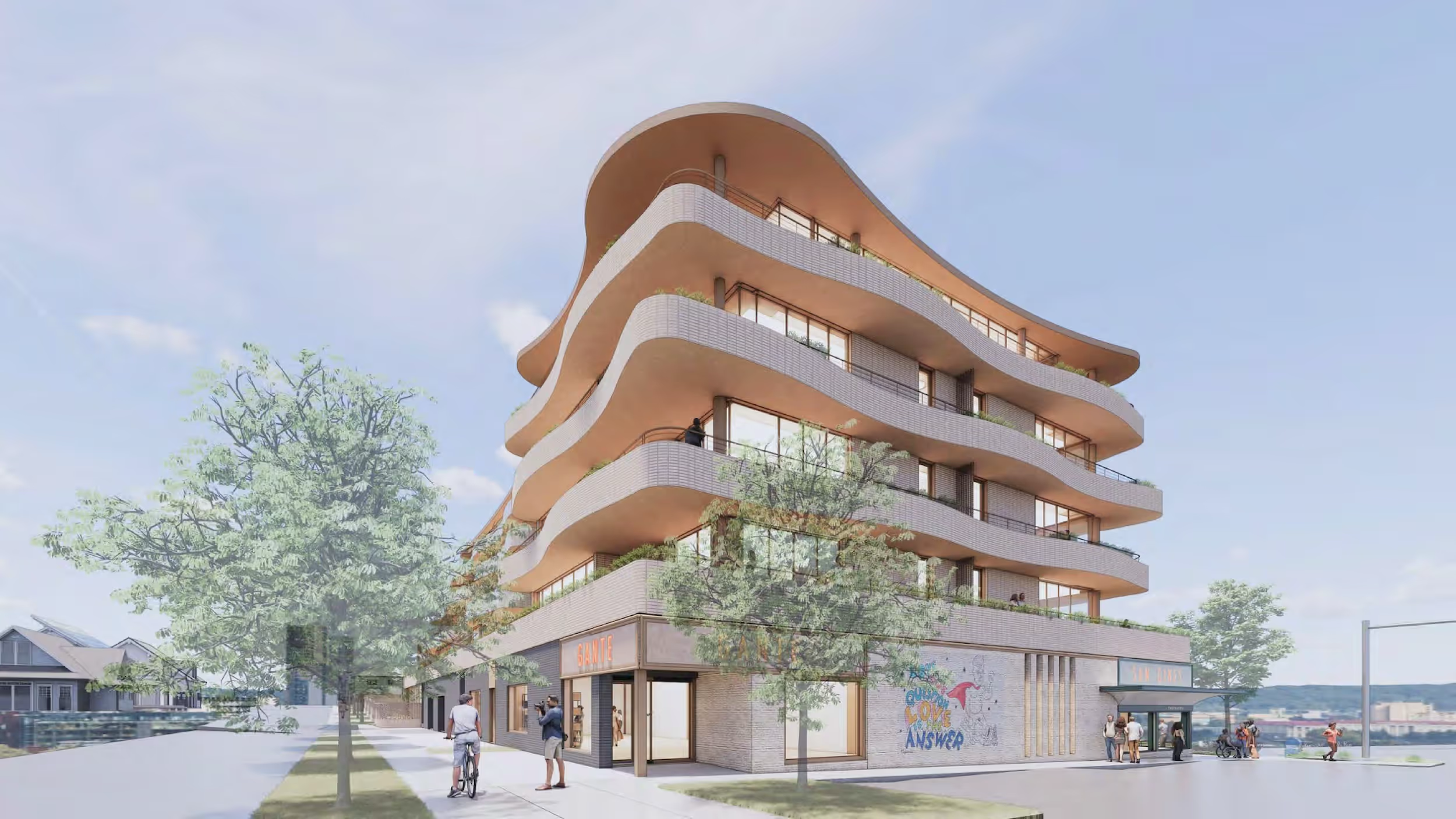
The Westlyn
CLIENT: Zydeco Development Corporation.
LOCATION: West Avenue and 12th Street.
CHALLENGE: Mixed-use development on a site with potential historic landmark designation. The block formerly included Nau's Enfield Drug and Cafe Medici.
APPROACH: Rather than fight landmark designation, Zydeco chose to work with the Historic Landmark Commission on the building design. Muro Rivera Architects designed the building. The mural on the property is being preserved.
SERVICES: Zoning, subdivision, site planning, and Historic Landmark Commission coordination.
OUTCOME: Site plan approved.
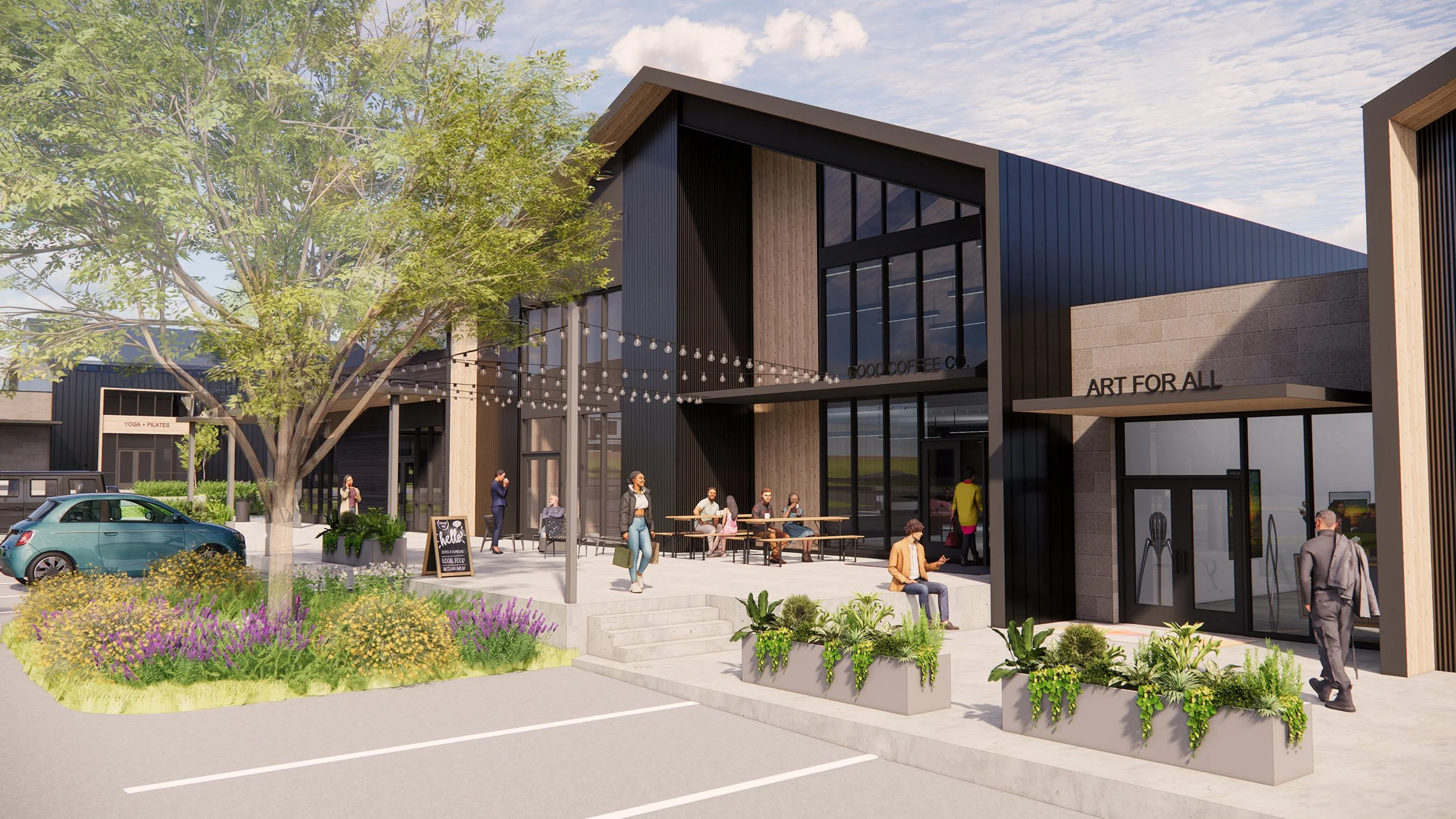
The Collective East
CLIENT: Spark Root.
LOCATION: East Austin, near Colony Park community, the Walnut Creek Hike & Bike Trail, and the Travis County Exposition Center.
CHALLENGE: Multi-phase development requiring entitlements across creative industrial space, mixed-use commercial, and greenbelt-adjacent residential.
SERVICES: Zoning change, subdivision, platting and site planning.
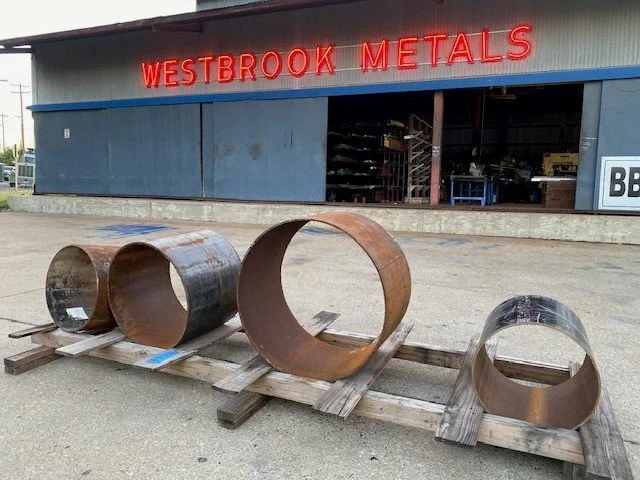
Westbrook Metals
CLIENT: A wholesale metal retailer and distributor of construction materials.
LOCATION: Canion Street, Near Austin-Bergstrom International Airport.
CHALLENGE: Rezoning from residential to industrial use on a tract with existing residential structures.
SERVICES: Zoning change, demolition review, and new site plan for a construction sales and service/warehouse use.
OUTCOME: Full transition from residential to industrial approved as a single engagement.
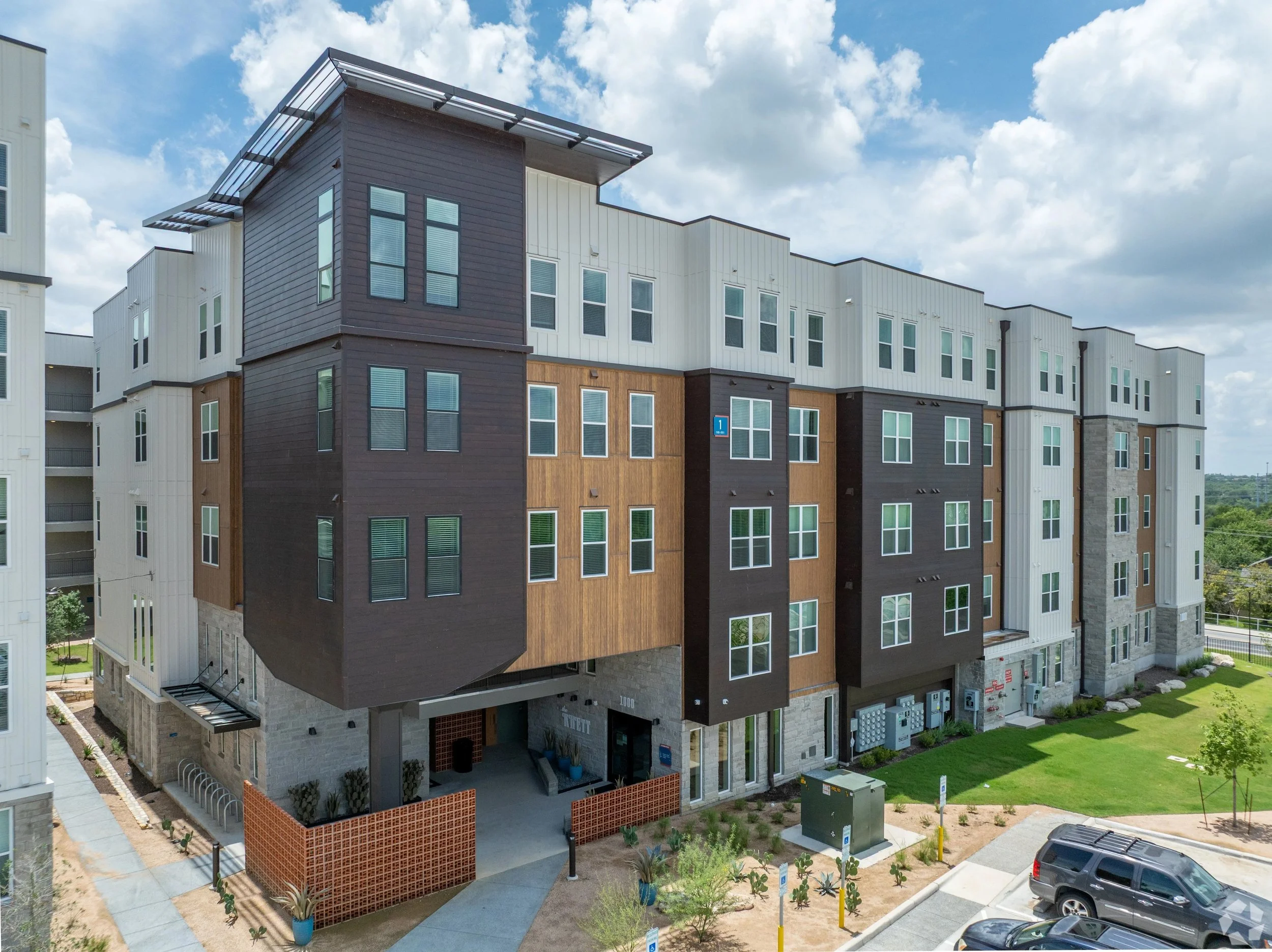
The Rhett
CLIENT: A multifamily development.
LOCATION: 1000 East Yager Lane, Austin, TX.
CHALLENGE: Rezoning for a project built through the City of Austin's S.M.A.R.T. Housing program.
SERVICES: Rezoning and site planning.
OUTCOME: Zoning change and a new site plan.
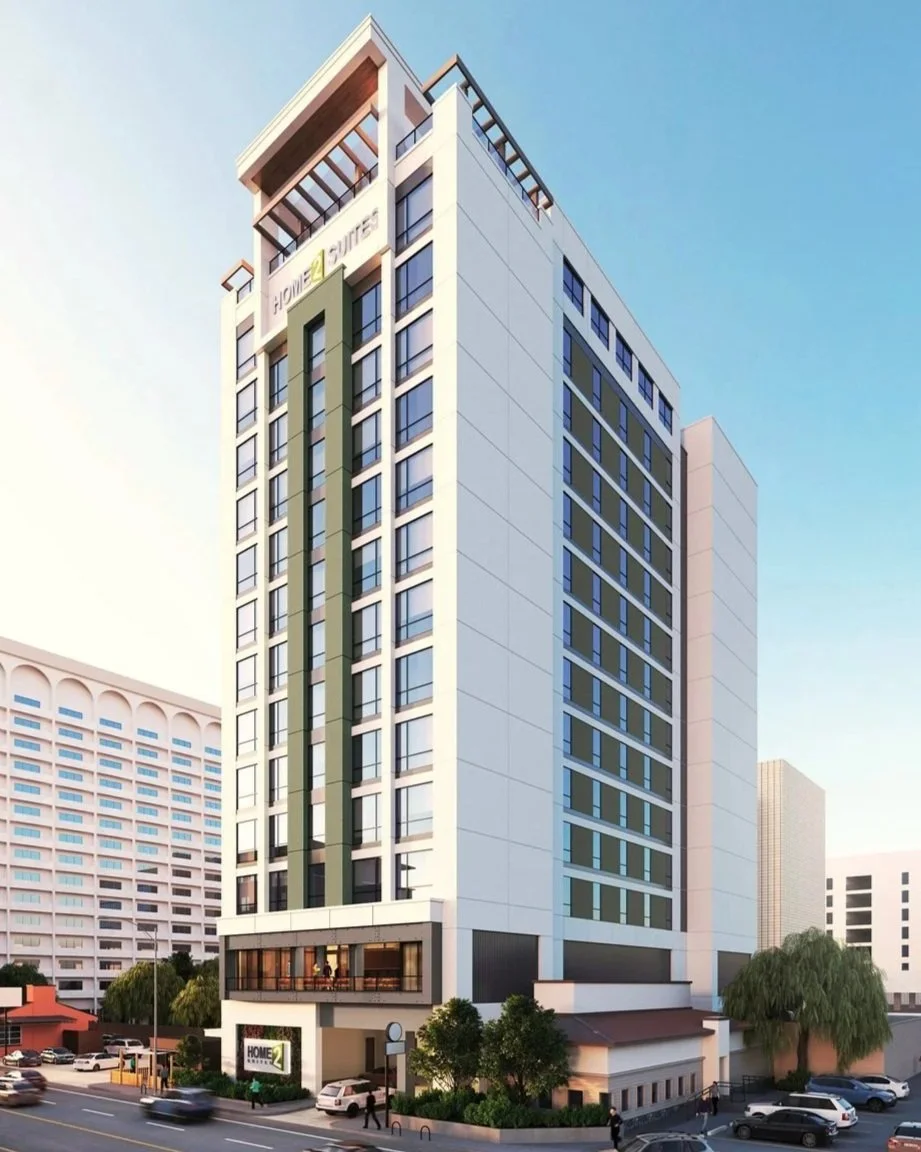
HOME2 Suites
CLIENT: A 13-story, 168-room extended-stay hotel.
LOCATION: 305 West Martin Luther King Jr. Boulevard, directly across from the campus of The University of Texas at Austin.
CHALLENGE: Required City Council approval of a development bonus through the Downtown Density Bonus Program.
SERVICES: Density Bonus approval and site planning.
OUTCOME: Pending approval.
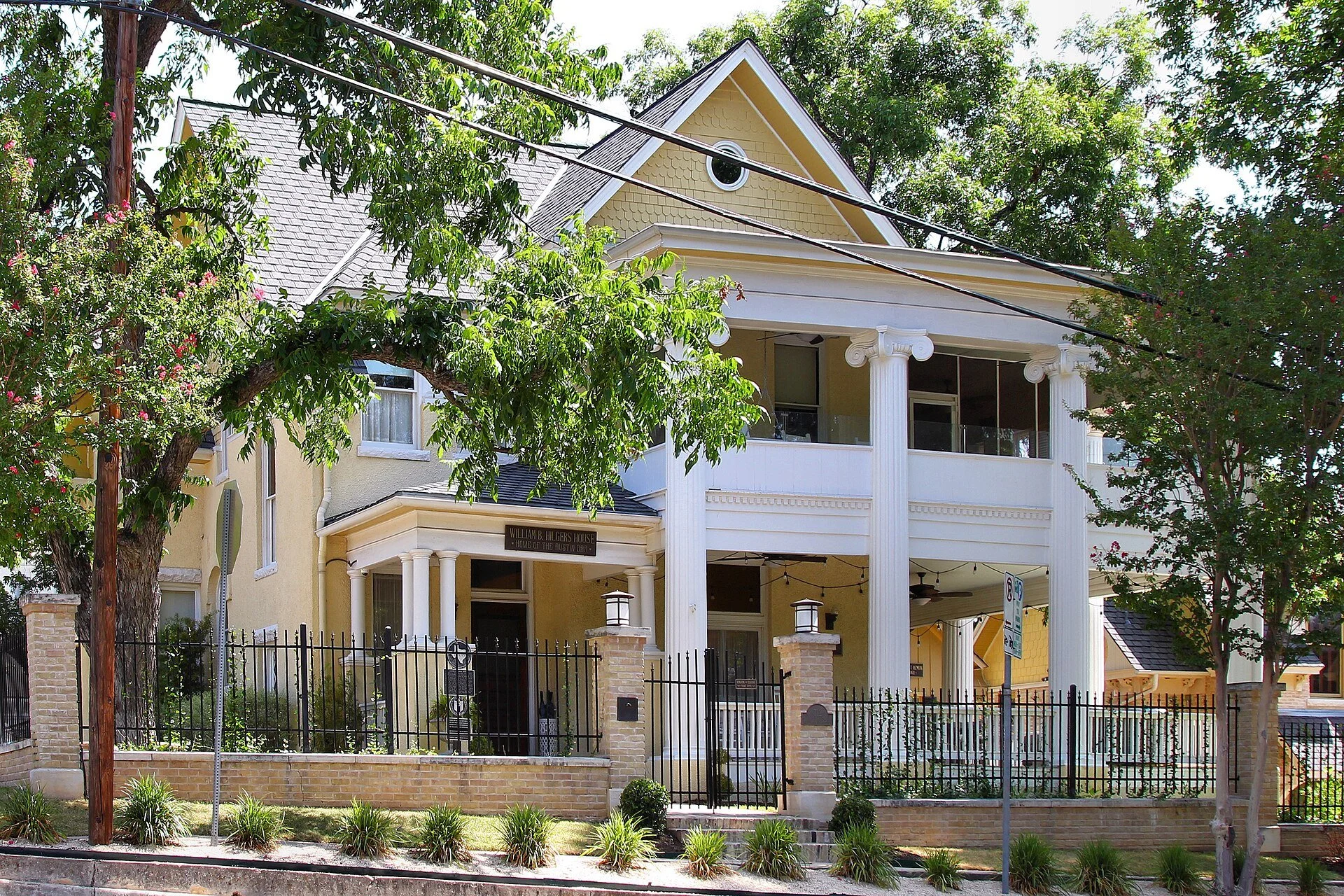
Austin Bar Association / Herblin-Shoe House
CLIENT: Austin Bar Association, occupying the Herblin-Shoe House, a City of Austin Historic Landmark.
LOCATION: Judges Hill neighborhood, west downtown Austin.
CHALLENGE: Rezoning a historic landmark property from single-family to office use, with Historic Landmark Commission oversight and parking requirements.
SERVICES: Rezoning, Certificate of Appropriateness coordination with HLC, transportation site plan for parking.
OUTCOME: Property rezoned to office use. Certificate of Appropriateness secured.
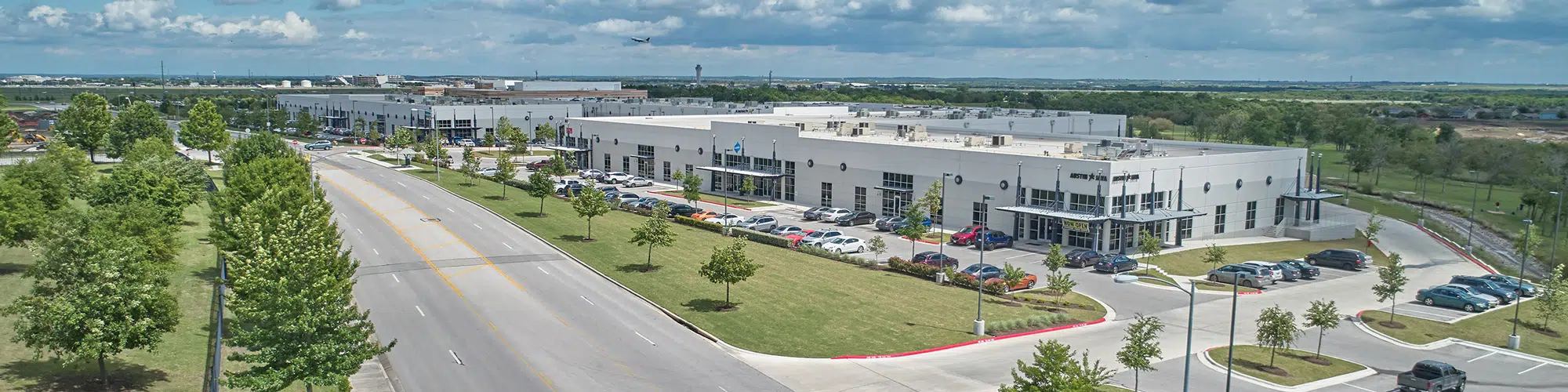
MetCenter
CLIENT: 550-acre business and industrial office technology park.
LOCATION: Southeast Austin, Near Austin-Bergstrom International Airport.
CHALLENGE: Ongoing entitlements as the property evolves across multiple phases.
SERVICES: Rezoning, subdivision, and site planning.
Questions and Answers about Zoning & Neighborhood Plan Amendments
These are the questions property owners and developers ask us most often.
How do I get my property rezoned in Austin?
Rezoning in Austin means convincing a Land Use Commission (the Planning Commission or the Zoning and Platting Commission), and then City Council, that your intended use is appropriate for your property and compatible with the surrounding area. The process requires a written application, staff review and recommendation, public notification and neighborhood engagement, and public hearings. It is political and procedural, and experience matters. Thrower Design has navigated Austin’s zoning process for more than 35 years. We know the code, we know the commissions, and we know the council offices.
What is a neighborhood plan amendment in Austin?
A neighborhood plan amendment changes the future land use designation for a property within an adopted neighborhood plan. Most of Austin is covered by these plans. When a proposed rezoning conflicts with the plan’s Future Land Use Map (FLUM), the map itself has to be amended at the same time. This means two parallel applications, two reviews, and two sets of public input. A lot of applicants do not know they need a neighborhood plan amendment until they are already in the process. Thrower Design identifies these issues early and manages both tracks at once.
What is the difference between a rezoning and a variance?
A rezoning changes the base zoning district for a property, which changes the full menu of permitted uses and development standards. A variance is a specific exception to a single development standard within the existing zoning, such as a setback reduction or a height increase. Variances are granted by the Board of Adjustment and require the applicant to demonstrate a hardship. We handle both and advise clients on which path is appropriate for their situation.
How long does a zoning change take in Austin?
A typical rezoning takes several months. Cases that require a neighborhood plan amendment take longer because the two processes run in parallel. Expect at least two and possibly three hearings before one of Austin’s Land Use Commissions, accounting for postponements. Then the case goes to Council. The actual timeline depends on the completeness of the application, staff review cycles, neighbor engagement, and commission and council schedules. Our team works to prepare complete applications that minimize delays.
How much does a rezoning cost in Austin?
The City of Austin charges filing fees for zoning applications in the range of $12,000 to $15,000. If a neighborhood plan amendment is also required, there are additional fees. Beyond city fees, the cost of a zoning case includes site plan preparation, application drafting, staff coordination, and hearing representation. It is important to understand that city filing fees are separate from our professional fees. Thrower Design provides a scope and fee estimate after reviewing the specific property and proposed project.
What is a density bonus program in Austin?
Density bonus programs allow developers to build beyond what base zoning would normally permit in exchange for meeting affordability or public benefit requirements. Austin has several density bonus programs, including the DB90 overlay, the Downtown Density Bonus, the ETOD (Equitable Transit-Oriented Development) program, and the City Wide Density Bonus Program adopted by City Council in May 2026. Some are grandfathered, some apply only to specific geographic areas, and some are new. These programs are actively evolving.
Whether your property qualifies depends on its location, its current zoning, and the specific program requirements. Thrower Design helps clients determine if a density bonus is available and whether a rezoning is needed to access it.
Can neighbors block a zoning change in Austin?
Neighbors cannot unilaterally block a zoning change, but their stance can significantly affect the outcome. Neighbors within a defined radius receive written notice and the opportunity to testify at public hearings. Proactive outreach to both neighbors and council offices is essential. Thrower Design helps applicants identify potential concerns early and develop a strategy before the first notification goes out.
What is SB840 and how does it affect my property?
SB840 is a state legislative change that has impacted zoning entitlements across Texas. The full effect of SB840 is still being determined in many municipalities and is a work in progress. The intention of the legislation is to make it easier to build housing. Separately, the HOME Phase 1 and Phase 2 initiatives in Austin now allow up to three units on SF3 lots without a rezoning. These changes mean that some properties that previously required a zoning change for additional density may no longer need one. Thrower Design stays current with these changes and advises clients on how they affect specific properties.
Are there Austin corridors where zoning cases are more active?
Zoning activity tends to cluster along commercial corridors and in areas experiencing development pressure. The specific corridors shift over time. Thrower Design has handled zoning cases across the city and can advise on the current landscape for any part of Austin.
Talk to Us Before You File
If you are considering a zoning change or need a neighborhood plan amendment in Austin, contact us before you file. We can help you assess the landscape, understand the process, and avoid costly mistakes.